Unlocking Visual Impact with Colorful Geometric Abstract Backgrounds
In the fast-paced world of digital design, capturing attention within milliseconds is not just a goal; it is a necessity. Designers, marketers, and content creators are constantly searching for visual elements that communicate energy, modernity, and professionalism without overwhelming the viewer. This is where the colorful geometric abstract background emerges as a powerhouse solution. Far more than mere decoration, these designs serve as foundational structures that guide the eye, establish brand identity, and create a cohesive aesthetic across various media formats.
The appeal of this style lies in its versatility. By combining sharp lines, fluid shapes, and vibrant gradients, a well-crafted geometric composition can feel both structured and organic. It bridges the gap between rigid corporate minimalism and the chaotic energy of avant-garde art. Whether you are designing a sleek website header, a dynamic flyer for a music festival, or a professional brochure for a tech startup, understanding how to leverage these elements can significantly elevate your final output.
The Psychology of Shape and Color in Modern Design
To effectively utilize a geometric abstract layout, one must first understand the psychological impact of its components. Shapes are not neutral; they carry inherent meanings. Circles suggest unity, community, and softness, making them ideal for lifestyle brands or wellness journals. Triangles imply direction, movement, and stability, often used in business presentations to denote growth or innovation. Squares and rectangles provide a sense of balance and trust, forming the backbone of many web layouts.
When you introduce color into this equation, the narrative deepens. A blue gradient might evoke trust and calm, perfect for financial sectors, while a splash of pink or neon orange injects youthfulness and creativity. The magic happens when these colors interact through gradients and overlays. A fluid transition from deep navy to electric cyan creates a sense of depth and motion, transforming a static image into a dynamic visual experience. This interplay is crucial for creating a modern and futuristic look that resonates with contemporary audiences.
From Static to Dynamic: Enhancing Digital Presence
In today’s digital ecosystem, static images are increasingly competing with motion graphics. A colorful geometric abstract background is uniquely suited for animation. Because geometric forms are defined by mathematical precision, they translate seamlessly into vector formats. This means designers can scale elements infinitely without losing quality, a critical feature for responsive web design.
Consider the application in web design. A heavy, photo-realistic background can slow down load times and distract from core content. In contrast, a minimal geometric pattern loads quickly and provides a clean canvas for text. When animated, these shapes can shift, rotate, or change color subtly, adding a layer of sophistication known as "micro-interactions." This keeps the user engaged without causing cognitive overload. For instance, a banner ad featuring slowly morphing polygons can draw the eye more effectively than a flashing gif, offering a premium feel that aligns with high-end brand positioning.
Practical Applications Across Industries
The utility of geometric abstraction extends far beyond the screen. Its adaptability makes it a staple in print media, packaging, and environmental design. Here is how different sectors leverage this trend:
- Corporate Branding: Businesses use clean, linear patterns to convey order and efficiency. A business cover page with subtle grey and blue geometric lines suggests professionalism and clarity.
- Event Marketing: Flyers and posters for concerts or tech conferences often employ bold, high-contrast shapes. The use of colorful gradients and sharp angles creates a sense of excitement and energy, perfectly matching the vibe of a live event.
- Publishing: Magazines and journals utilize abstract layouts to break up text-heavy pages. A hipster-style magazine might use irregular, hand-drawn geometric shapes combined with pastel tones to create an artistic, editorial look.
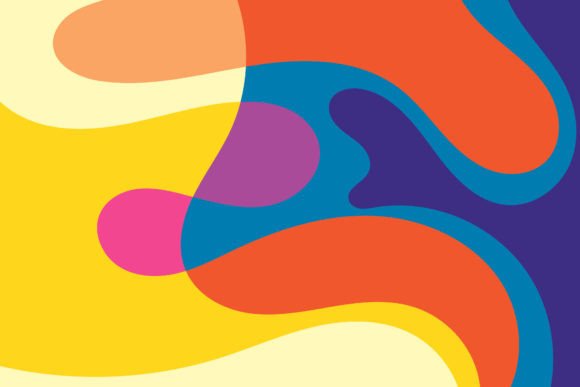
- Packaging: Product boxes benefit from the shelf appeal of vibrant patterns. A liquid or fluid geometric design can make a beverage or cosmetic product stand out in a crowded retail environment.
Each of these applications requires a different approach to complexity. A presentation slide deck needs ample negative space to ensure readability, whereas a wallpaper or textile design can afford to be denser and more intricate. Recognizing these distinctions is key to successful implementation.
Choosing the Right Template and Vector Elements
For many creators, starting from scratch is time-prohibitive. Fortunately, the market is saturated with high-quality templates and vector assets. However, selecting the right resource requires a discerning eye. Not all graphic packs are created equal. When browsing for a colorful geometric abstract background, consider the following factors:
- Scalability: Ensure the file is a true vector (SVG, AI, or EPS). Raster images (JPG, PNG) may pixelate when enlarged for large-format prints like banners or trade show backdrops.
- Layer Organization: A well-organized file allows you to tweak individual elements. You might want to change the hue of a specific circle or adjust the opacity of a gradient layer to better match your brand guidelines.
- Color Harmony: Look for palettes that are pre-balanced. Trendy combinations often involve complementary colors or analogous schemes with high saturation. Avoid templates that rely on too many conflicting hues, which can look chaotic rather than creative.
- Versatility: The best sets include variations—light and dark modes, horizontal and vertical orientations, and simplified versions for minimal layouts.
By choosing flexible assets, you transform a generic illustration into a customized brand asset. This level of customization is what separates amateur designs from professional-grade visuals.
Balancing Complexity and Minimalism
One of the biggest challenges in using abstract geometry is avoiding visual clutter. A dynamic design should enhance the message, not compete with it. The principle of "less is more" often applies, even when working with colorful palettes.
To achieve this balance, designers often use the geometric background as a secondary element. For example, in a brochure layout, the geometric pattern might be confined to the corners or used as a faint watermark behind the text. This technique, known as using a backdrop, adds texture and interest without sacrificing legibility. Alternatively, you can use a blank central area surrounded by intricate border elements, framing the content naturally.
Another effective strategy is the use of transparency. Overlaying semi-transparent shapes creates a sense of depth and layering. This fluid approach mimics the way light interacts with glass or water, adding a sophisticated, almost three-dimensional quality to a two-dimensional poster or cover. It creates a cool, contemporary aesthetic that feels both digital and tactile.
The Future of Geometric Abstraction
As design trends evolve, so does the application of geometric art. We are seeing a shift towards more organic, irregular shapes that blur the line between strict geometry and natural forms. These liquid geometries retain the structural integrity of vectors but offer a softer, more human touch. This hybrid style is particularly popular in health, wellness, and eco-friendly branding, where rigid squares feel too industrial.
Furthermore, the integration of 3D rendering tools has allowed for hyper-realistic geometric compositions. These designs feature shadows, reflections, and textures that make the shapes appear tangible. While traditional flat vector art remains essential for scalability and speed, 3D geometric backgrounds are becoming the go-to choice for hero sections on websites and high-impact advertising campaigns.
Ultimately, the power of a colorful geometric abstract background lies in its ability to adapt. It is a chameleon in the design world, capable of shifting from corporate to creative, from minimal to maximal, depending on how it is styled. By mastering the interplay of shape, color, and space, designers can create visuals that are not only aesthetically pleasing but also functionally effective. Whether you are crafting a simple social media post or a comprehensive brand identity system, embracing these abstract elements can provide the modern edge needed to stand out in a saturated market.
Remember, the goal is not just to fill space, but to create a concept that resonates. Use lines to lead the eye, colors to evoke emotion, and shapes to build structure. When done correctly, your background becomes an integral part of the story, enhancing the user experience and leaving a lasting impression. Keep experimenting with different patterns and gradients, and don’t be afraid to push the boundaries of traditional layout design. The future of visual communication is bright, bold, and undeniably geometric.