Mastering Modern Brand Identity: The Power of Vector Logos and Business Cards
In the fast-paced world of modern business, first impressions are not just important—they are definitive. Whether you are launching a startup, rebranding an established agency, or refining your personal professional image, the visual elements you choose communicate volumes before you ever speak a word. At the heart of this visual communication lies the logo and the accompanying business card. These are not merely decorative items; they are the foundational pillars of your brand identity.
Understanding how to leverage high-quality design assets, particularly those rooted in vector technology, can transform your approach to branding. This article explores the significance of clean, modern design, the technical advantages of vector files, and how simple yet strong graphic elements can elevate your corporate presence.
The Anatomy of Effective Branding
Branding is often misunderstood as simply having a pretty logo. In reality, branding is the holistic experience of your company. It encompasses your values, your voice, and your visual language. A successful brand identity relies on consistency and clarity. When we look at a logotype or an emblem, we are looking for immediate recognition. The best designs achieve this through simplicity.
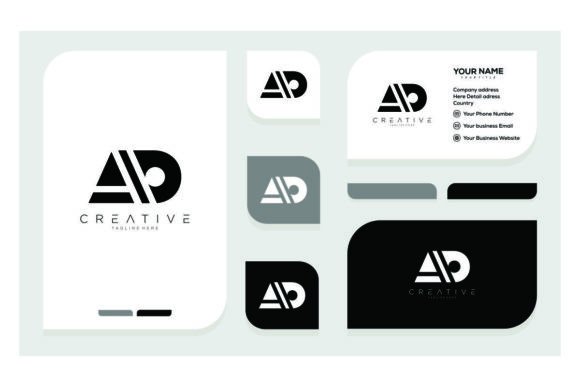
Consider the concept of the "Letter D" or any specific alphabet character used as a central motif. Using a single letter from the alphabet as a primary symbol is a timeless strategy in typography and graphic design. It offers a unique way to anchor your brand. By focusing on a single shape or letter, designers can create an abstract yet memorable icon that stands out in a crowded marketplace. This approach emphasizes the typeface and the structural beauty of the font itself, turning a standard character into a unique piece of art.
Why Simplicity Wins in Corporate Design
In an era of information overload, complex designs often fail to resonate. A clean and simple aesthetic allows the viewer to process the information quickly. This is where the principle of "less is more" becomes crucial. A modern corporate logo should be versatile enough to work on a massive billboard and tiny mobile screen alike.
- Clarity: Simple shapes are easier to recognize and remember.
- Versatility: Minimalist designs adapt better to various backgrounds and mediums.
- Timelessness: Trends fade, but strong geometric shapes and classic typography endure.
When you strip away unnecessary decoration, you are left with the core idea of your brand. This might be represented by a strong line, a specific curve, or a bold use of white space. The use of white space, in particular, is a powerful tool in modern design. It provides breathing room for the eye and highlights the essential elements of the composition, creating a sense of luxury and professionalism.
The Technical Advantage: Understanding Vector Graphics
For those new to graphic design, the difference between file formats can seem confusing. However, understanding the distinction between raster images (like JPG or PNG) and vector graphics (like EPS or AI) is critical for professional results. The prompt mentions "Only 2 files EPS 10 100 vector and JPG," which highlights a standard delivery package for professional design assets.
Vector graphics are based on mathematical equations rather than pixels. This means they can be scaled to any size without losing quality. Whether you are printing a small business card or a large banner ad, a vector file ensures that your logo remains crisp, sharp, and professional. This is known as resolution independence.
Working with EPS Files
The EPS (Encapsulated PostScript) format is a universal standard for vector graphics. For the best result, it is recommended to open EPS files using software like Adobe Illustrator. This allows you to access the underlying elements of the design. Because these are vector-based designs, you can change colors, adjust shapes, and modify the layout as you wish, provided you have the right software.
It is important to note that while the graphical elements are editable, the text in many template packages may be non-editable or outlined. This means the text has been converted into shapes to preserve the specific font style intended by the designer. If you need to change the company name, you would typically delete the existing shape and type your own text using a similar typeface.
- Open the File: Use Adobe Illustrator or a compatible vector editor to open the EPS file.
- Ungroup Elements: Logos are often grouped for easy handling. Ungroup them to access individual shapes and lines.
- Customize Colors: Use the color picker to match the design to your specific brand palette.
- Export for Web: Once edited, save a copy for web use (JPG or PNG) and keep the master EPS for print.
The Role of the Business Card in Digital Age
Some might argue that in the age of web and digital communication, the physical business card is obsolete. This is a common misconception. A well-designed business card serves as a tangible touchpoint in a increasingly virtual world. It is a physical artifact of your professional identity. When you hand someone a card with a high-quality finish and a striking graphic design, you are conveying a message of permanence and reliability.
The design of the card should mirror the logo and the broader brand identity. If your logo is modern and abstract, your card should reflect that same energy. Use the same typography and color scheme to create a cohesive look. The card is not just a container for contact information; it is a mini-billboard for your brand.
Integrating Design Across Platforms
Your visual identity should be consistent across all platforms. The same icon or symbol used on your business card should appear on your website, your social media profiles, and your email signatures. This repetition builds familiarity and trust. When customers see the same visual cues repeatedly, they begin to associate those shapes and colors with your company’s values and services.
For example, if your logo features a unique joint or connection point, symbolizing partnership and collaboration, this theme can be extended to your web design through connecting lines or interactive elements. This level of thoughtful integration shows attention to detail and a commitment to innovation in your brand presentation.
Choosing the Right Design Template
For many businesses, hiring a custom design agency for every asset is not feasible. This is where high-quality templates come into play. A good template provides a professional foundation that you can customize. Look for templates that offer unique and creative layouts rather than generic clip-art styles.
When selecting a template, consider the following:
- Scalability: Ensure the design works in both color and black-and-white.
- Readability: The font choices should be legible at small sizes.
- Balance: The arrangement of elements should feel balanced and harmonious.
- Format: Ensure you receive both vector (EPS) and raster (JPG) files for maximum flexibility.
Remember, a template is a starting point. The value comes from how you adapt it to fit your specific needs. By changing the colors to match your brand and adjusting the layout to highlight your key information, you can create a custom look without the custom price tag.
Conclusion: Investing in Your Visual Identity
Your logo and business card are more than just design elements; they are the face of your business. They communicate your professionalism, your creativity, and your attention to detail. By understanding the power of vector graphics, the importance of simplicity, and the role of consistent branding, you can create a visual identity that stands out in the modern marketplace.
Whether you are working with a design agency or customizing a template yourself, prioritize quality and clarity. Use strong, clean lines and modern typography to convey a sense of strength and reliability. And always ensure you have the right file formats—like EPS and JPG—to make your designs versatile and ready for any application. In the end, effective design is not just about making things look good; it is about communicating your value clearly and memorably to the world.